More Than a House: An Intern’s Connections and Reflections on Finding Community at Yéil Hít
Monday, August 24, 2026
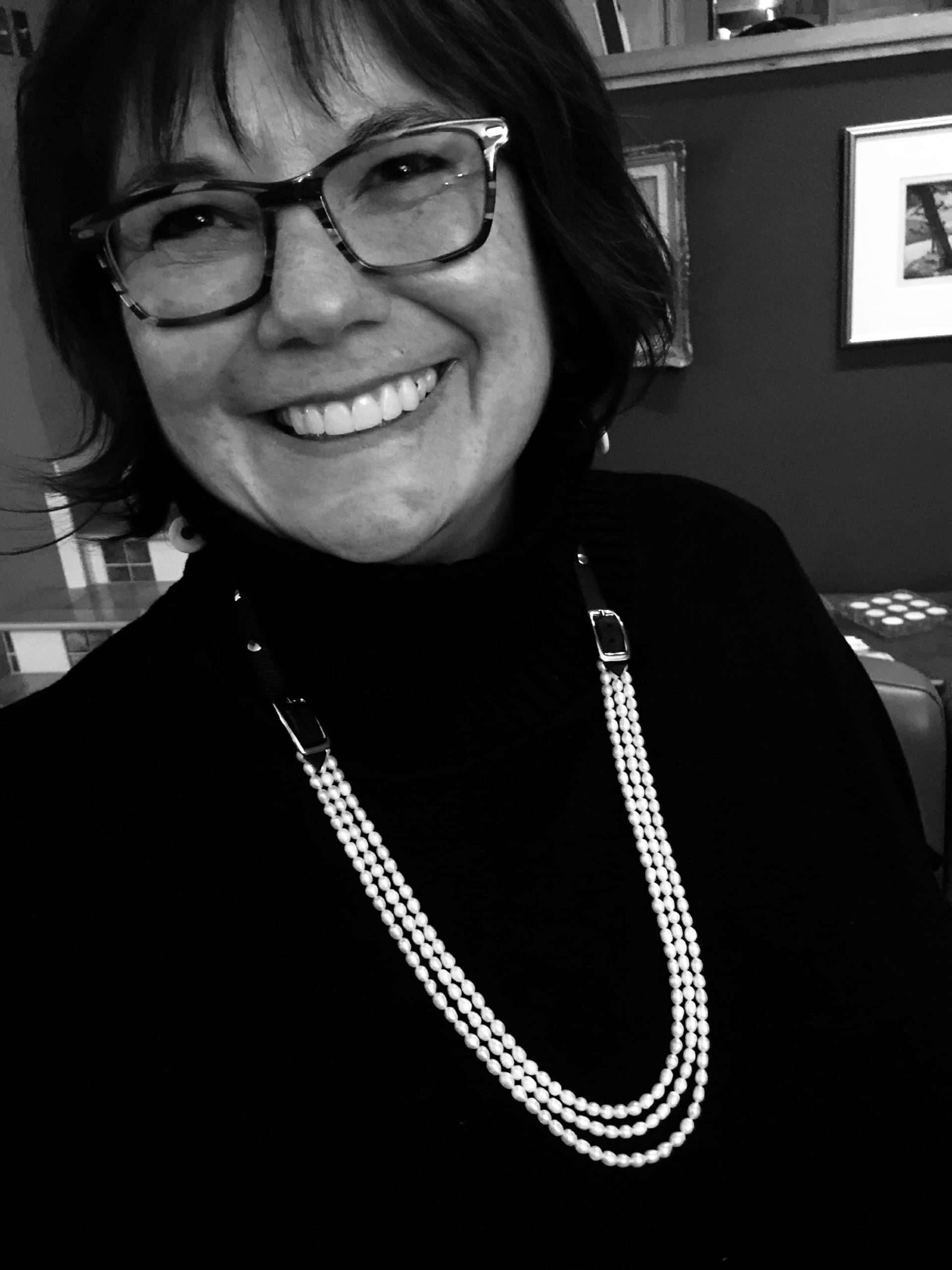
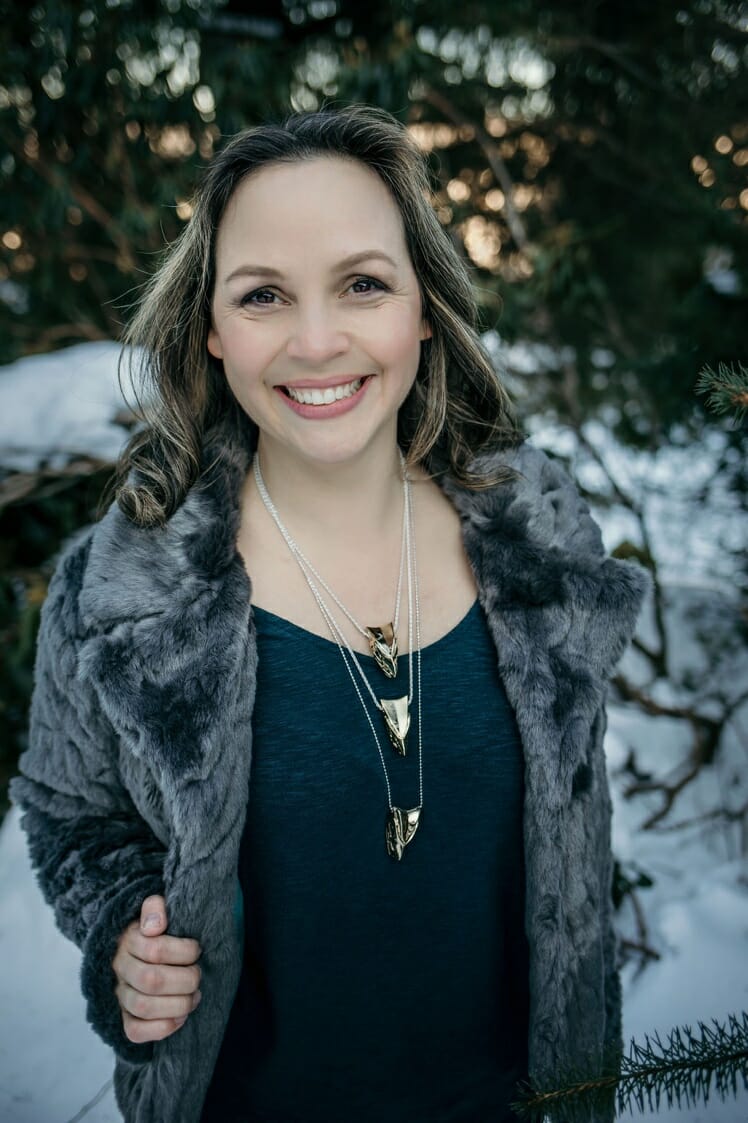
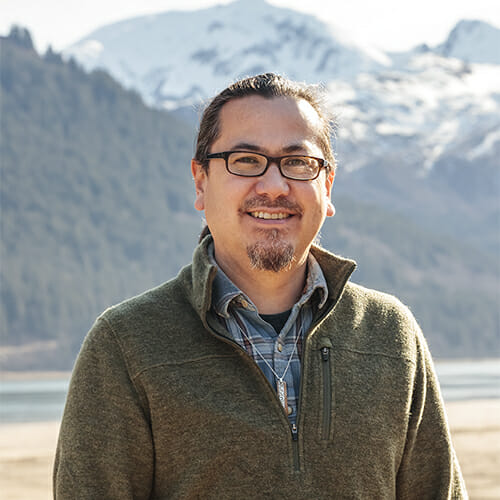
By Patricia Elie-Wolkoff, Communications & Corporate Secretary Intern
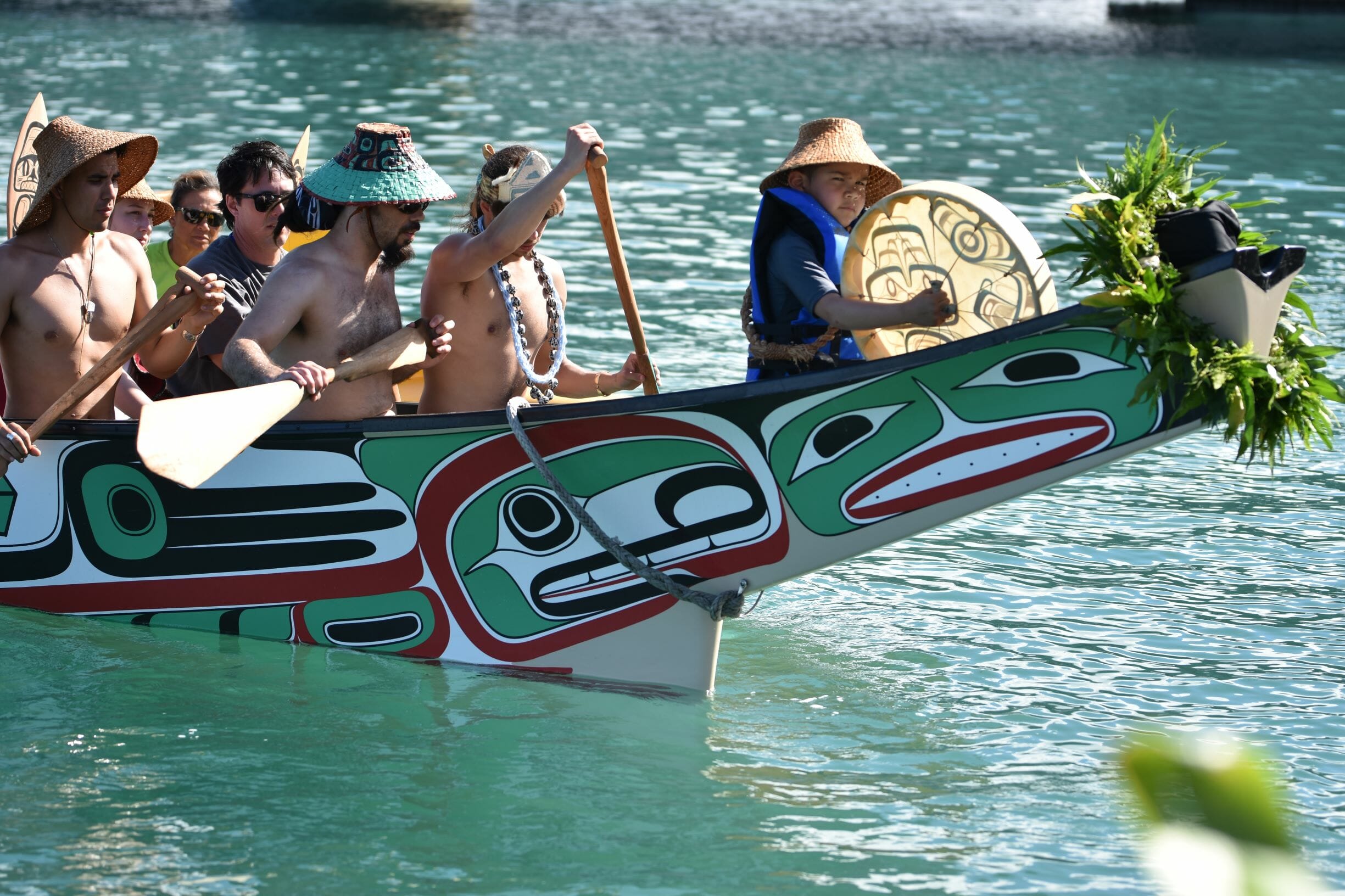
Before traveling to Haines, I knew I would be covering the dedication of Yéil Hít, the Raven House. What I didn’t expect was how personally the experience would connect me to community.
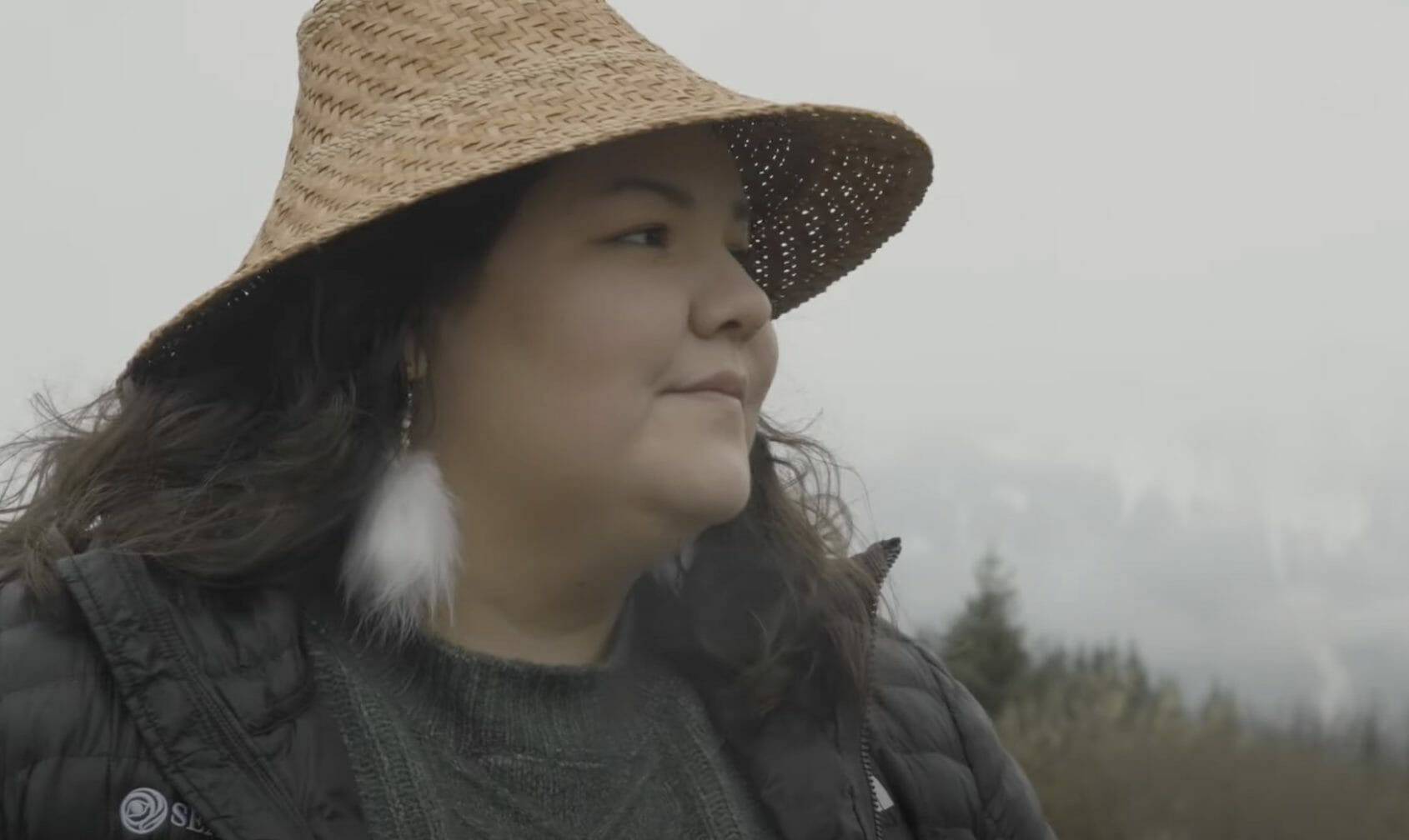
Growing up in Anchorage, I spent much of my time connected to my mother’s Alutiiq family from Kodiak. Although I always knew my father’s Haida roots were in Southeast Alaska, I had never experienced that part of my heritage in such a meaningful way. Traveling to Haines gave me the opportunity to witness not only the dedication of a clan house, but also the strength of a community coming together to celebrate its history and invest in its future.
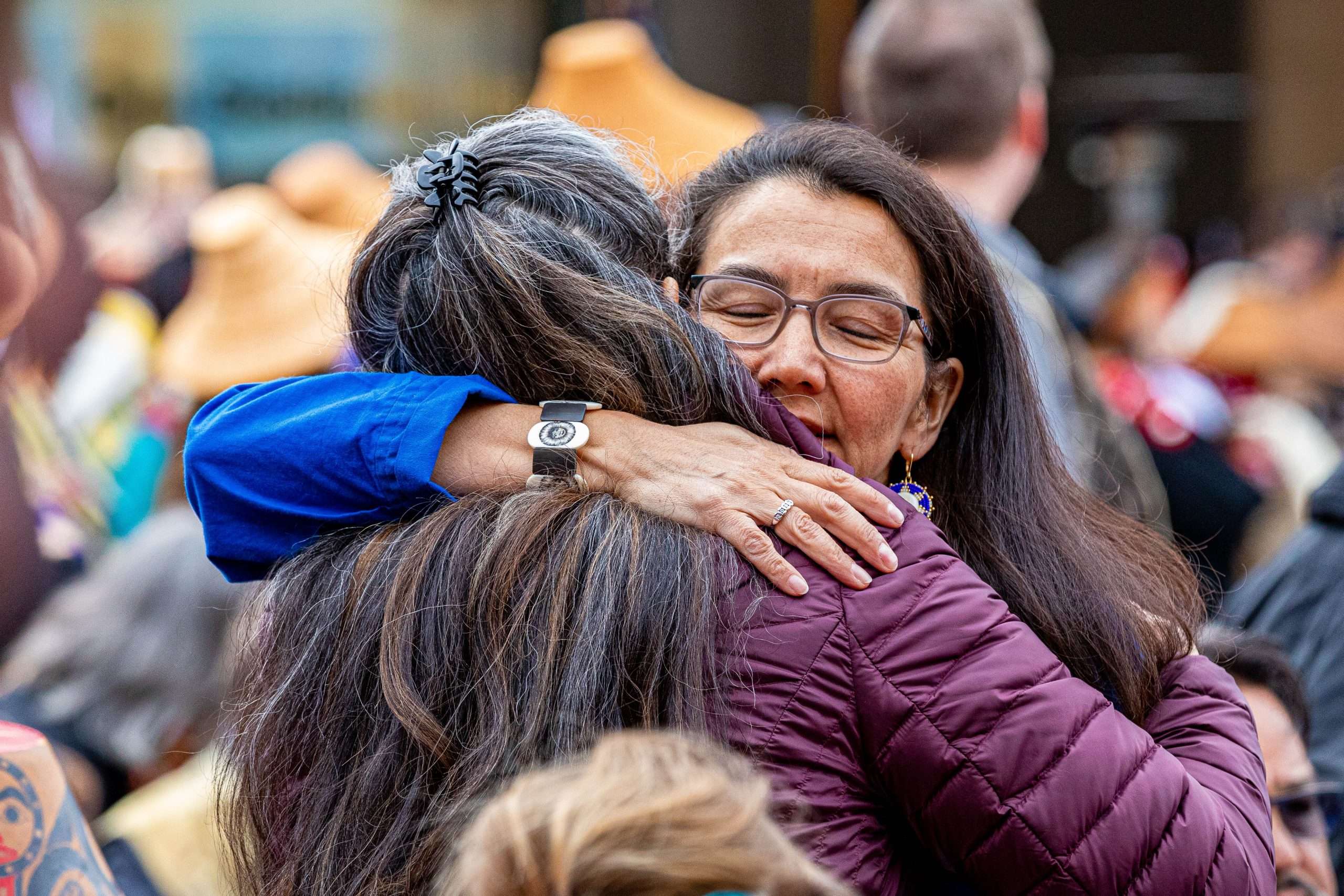
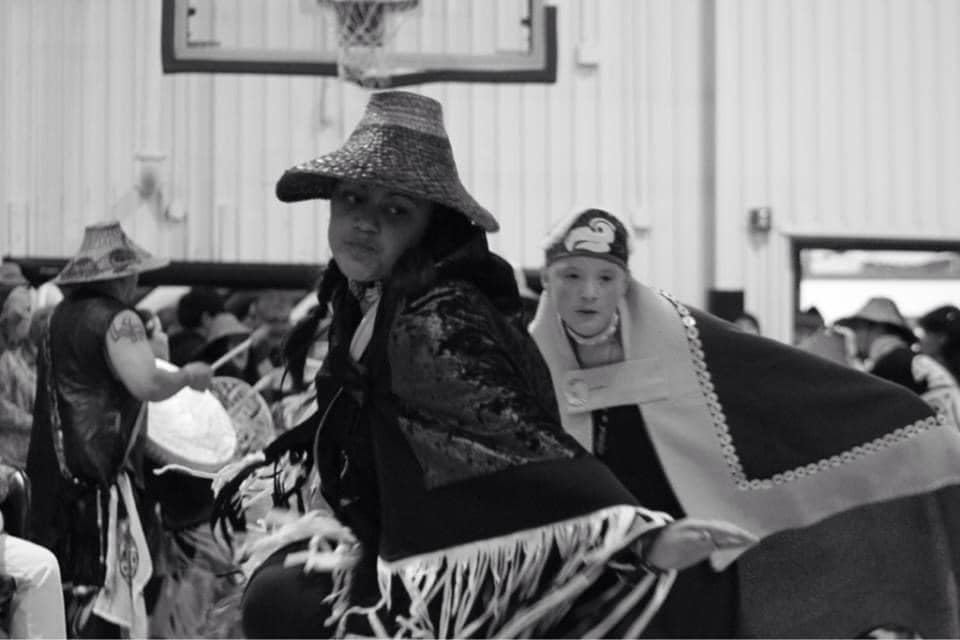
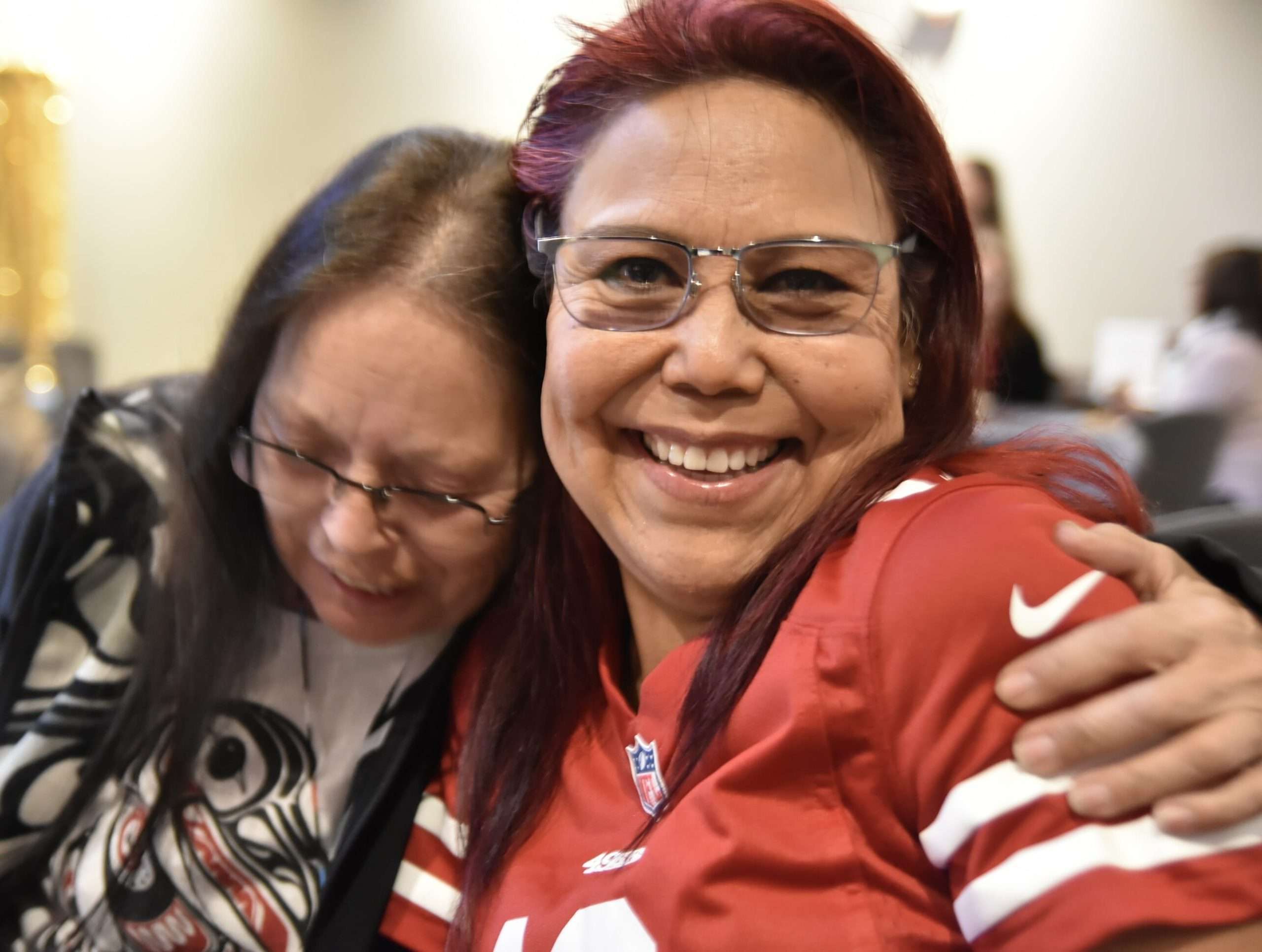
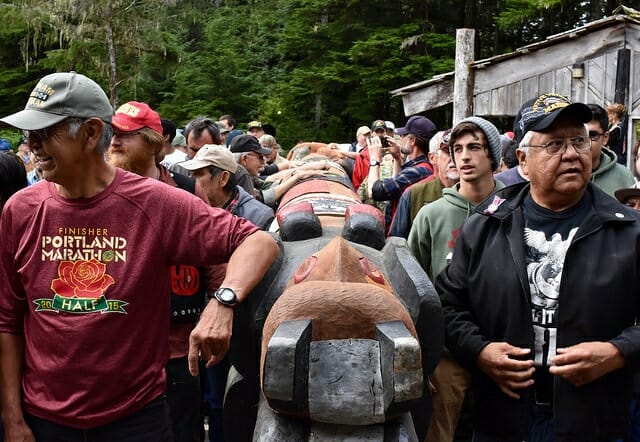
From the moment I stepped off the seaplane, I felt welcomed. At the Mountain Market Café, I met local residents who turned out to be fellow Sealaska shareholders. By the time I arrived at Yéil Hít, families were already gathering. Some were arranging flowers, others were putting the finishing touches on the house, greeting relatives with hugs and laughter. It didn’t feel like people were preparing for an event. It felt like they were preparing to welcome family home.
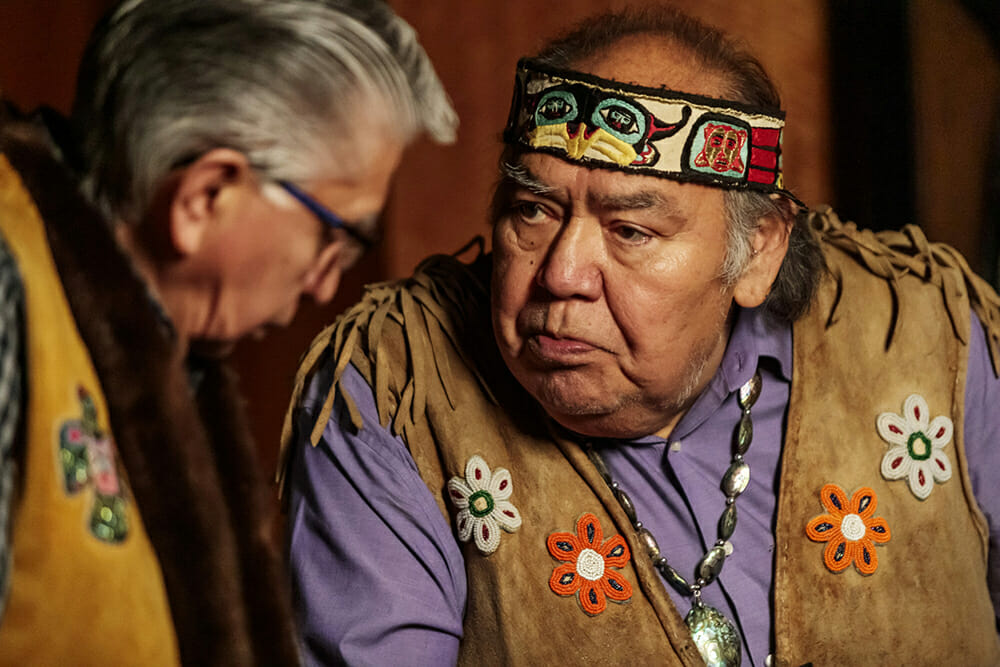
As the dedication began, Nathan Jackson spoke about Austin Hammond’s vision of creating a place where grandchildren would continue learning their language, songs, and traditions. That vision echoed through every conversation I had that day.
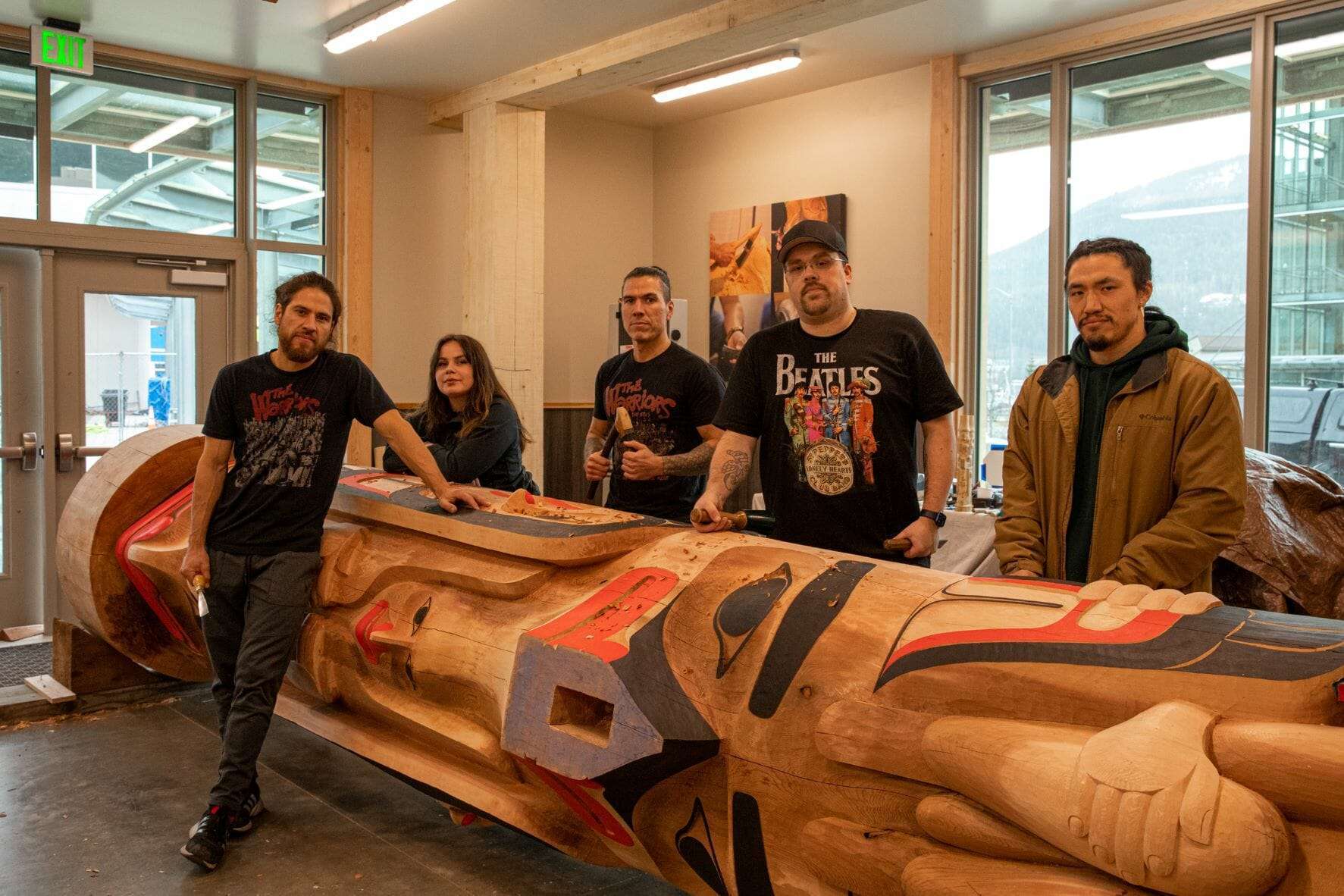
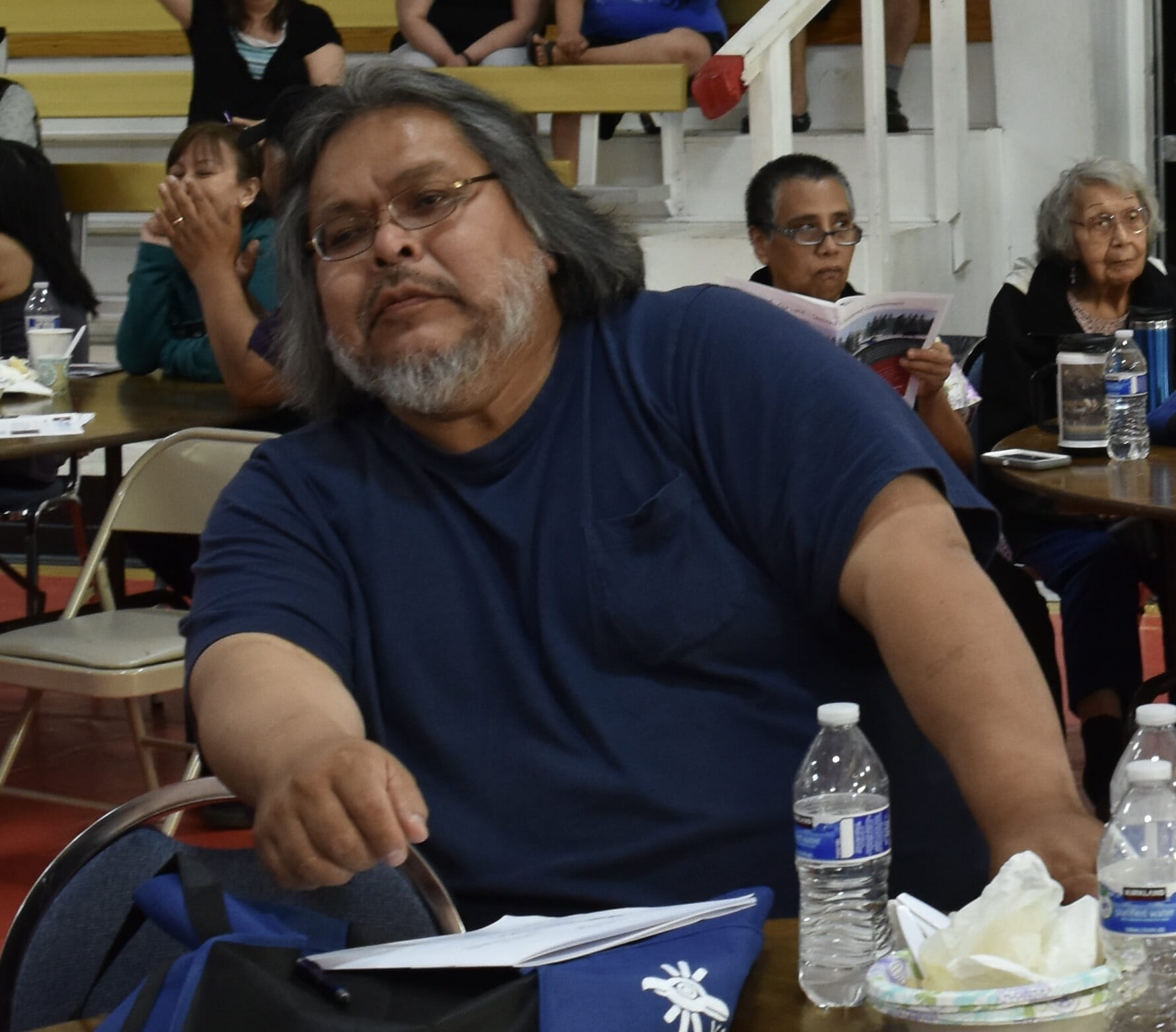
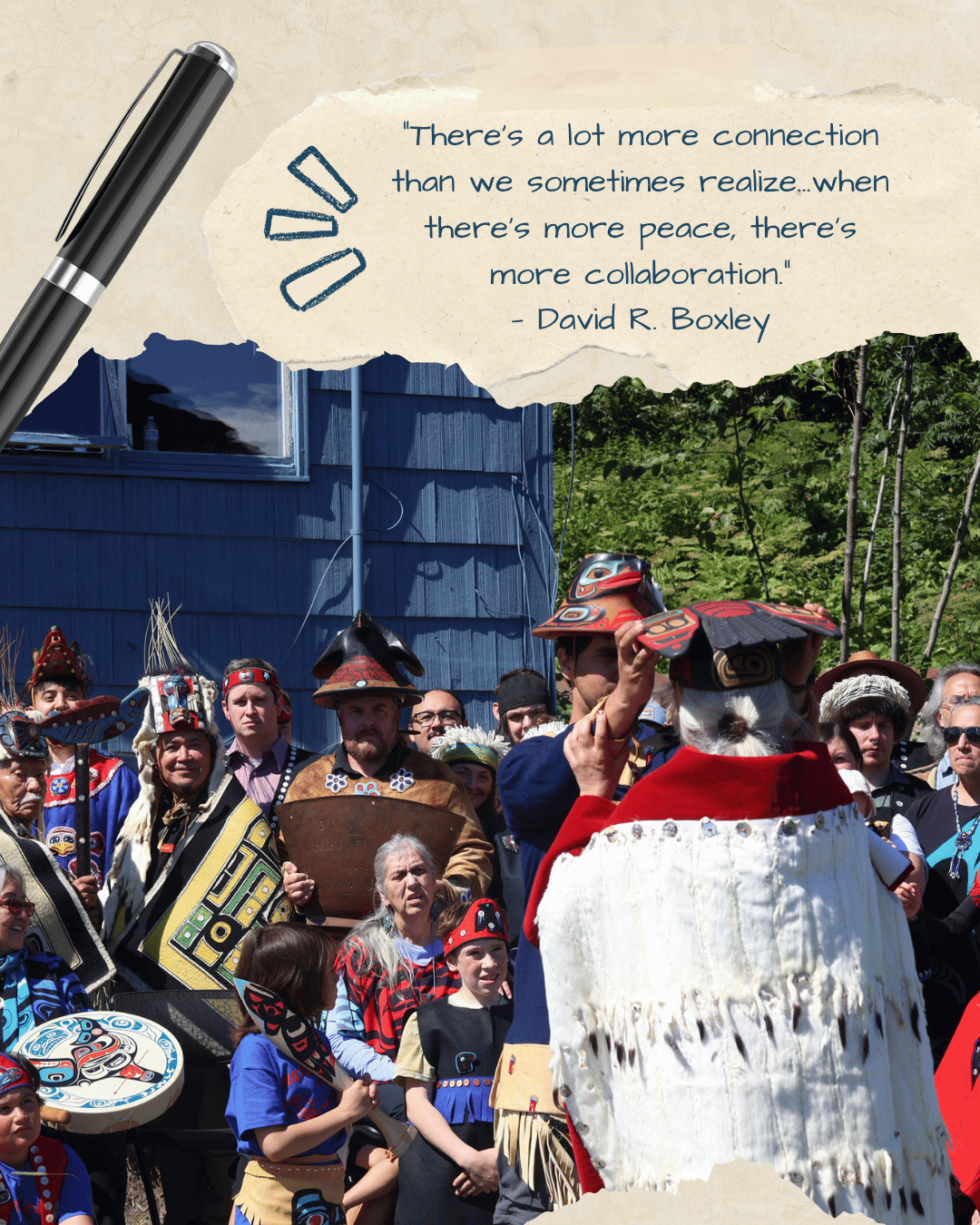
Artist David R. Boxley reflected on the connections between Tlingit, Haida, and Tsimshian peoples, saying, “There’s a lot more connection than we sometimes realize… There’s more peace. There’s more collaboration. It can only do us good.” His words reminded me that this house tells a story not only of one clan, but of relationships that have connected our peoples for generations.
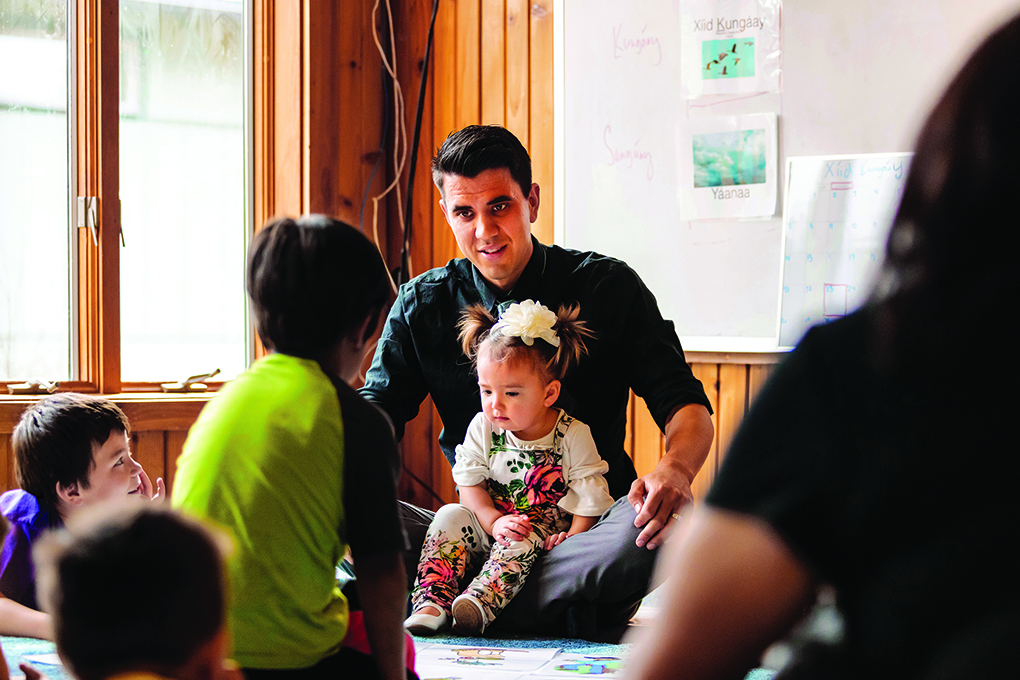
Brandon Kaayák’w Gomez simply described Yéil Hít as “home.” For him, the dedication meant “restating our name, restating our claim, restating who we are.” He also reminded me that culture is alive. “It’s not a dead culture. We’re still living.”
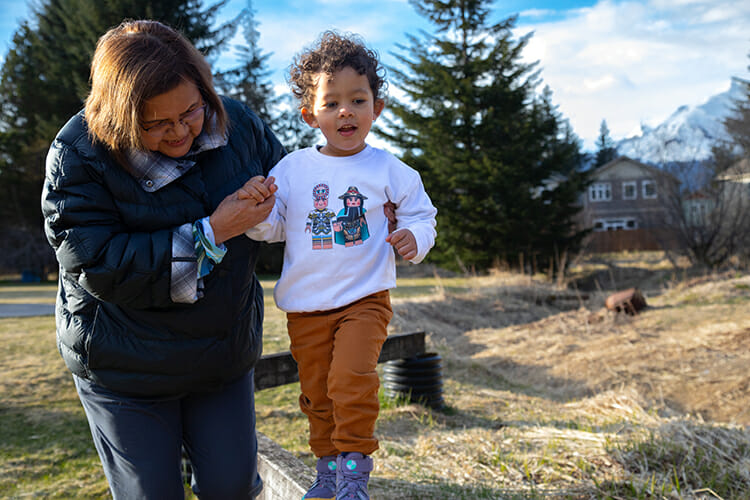
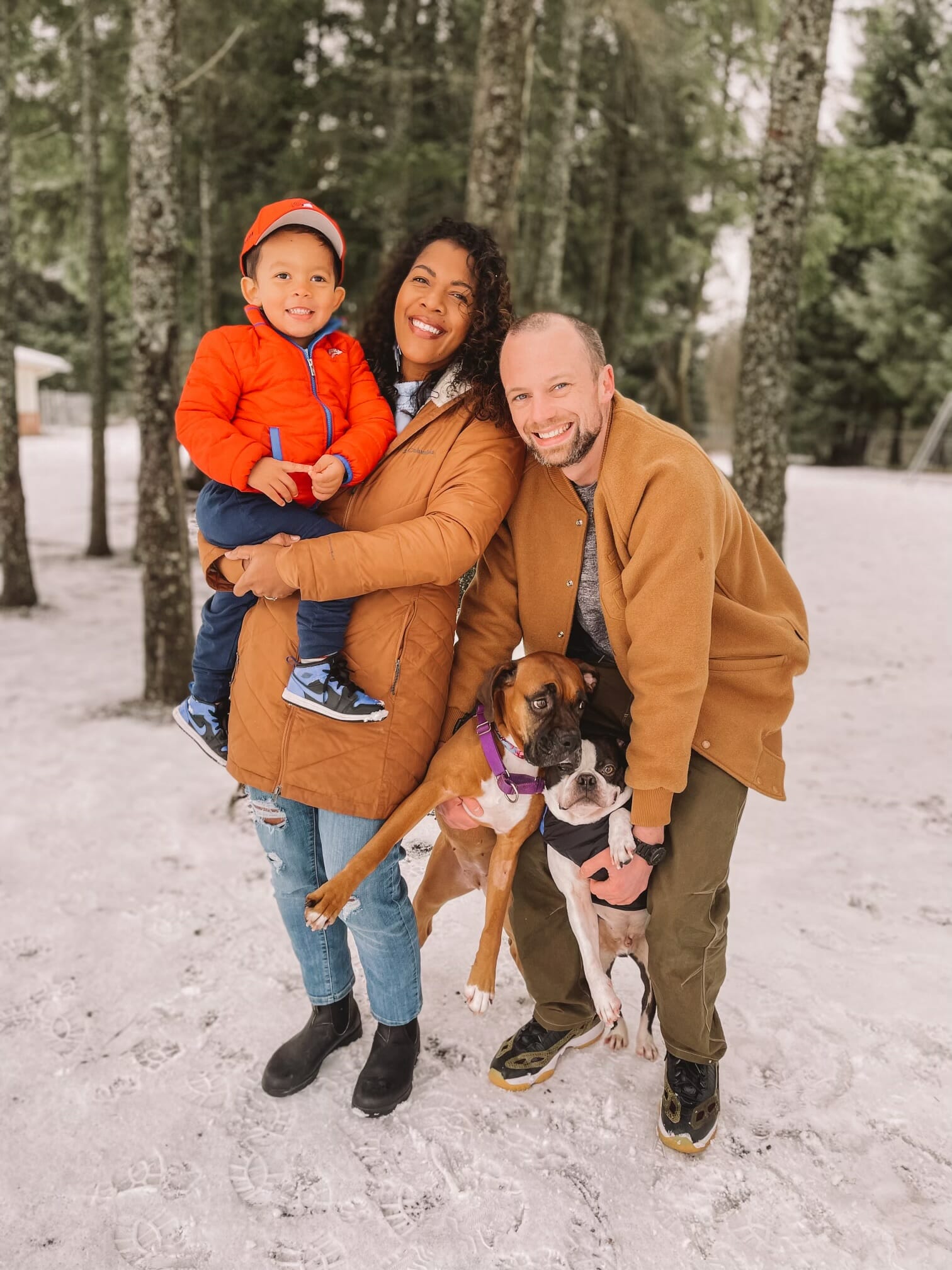
Jackie Pata shared that she once worried her generation might lose its language and cultural connection. Today, she sees children and grandchildren helping care for the house, carrying forward the responsibility she once feared would disappear. Her niece, Carly Jean Jackson, described bringing her young son to culture camp as “healing parts of me that I feel got left out.”
Those conversations stayed with me as I saw part of myself healing too. I was witnessing the renewed sense of claim as generations shared stories, songs, and laughter, ensuring that Yéil Hít remains a living place where culture continues.
As someone who is both Haida and Alutiiq, I left Haines with a deeper appreciation for my own heritage and for the connections shared across our communities. The Raven House reminded me that culture lives through people who choose to gather, teach, and care for one another. That was the true dedication I witnessed.
News Search
81 results found