Mendenhall Flood Protections Hold During Annual Glacial Outburst
Saturday, August 15, 2026
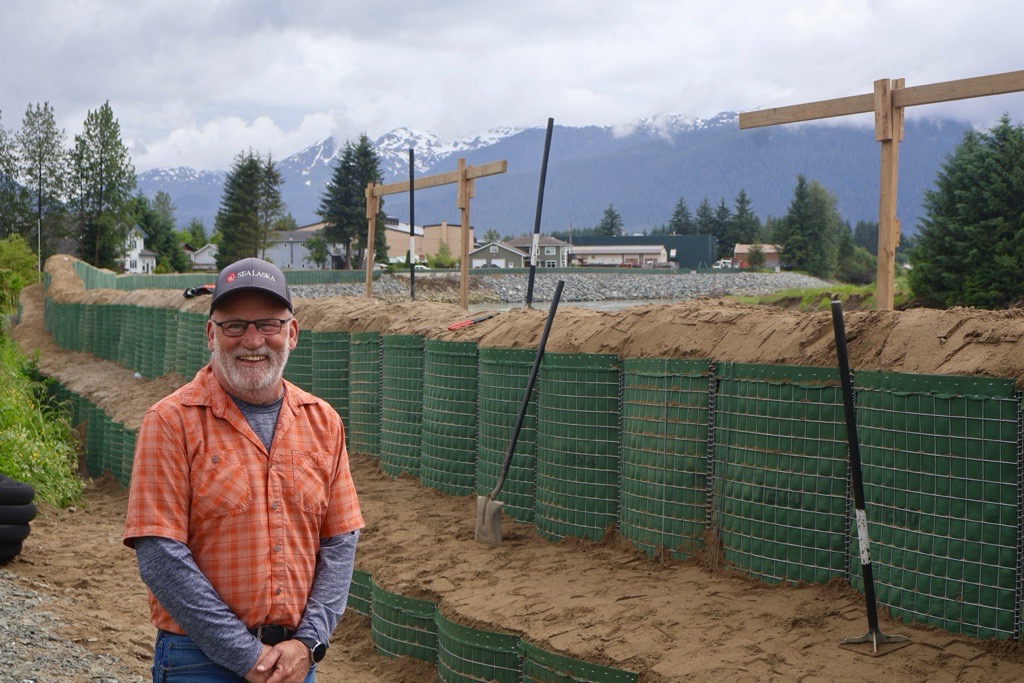
JUNEAU, Alaska — When the annual glacial outburst flood from Suicide Basin sent water down the Mendenhall River this summer, Juneau residents watched closely after two consecutive years of record flooding damaged homes and reshaped stretches of the riverbank.
This year, the emergency flood protection measures installed by Sealaska Secure Construction Solutions (SSCS) were in place when the water arrived.
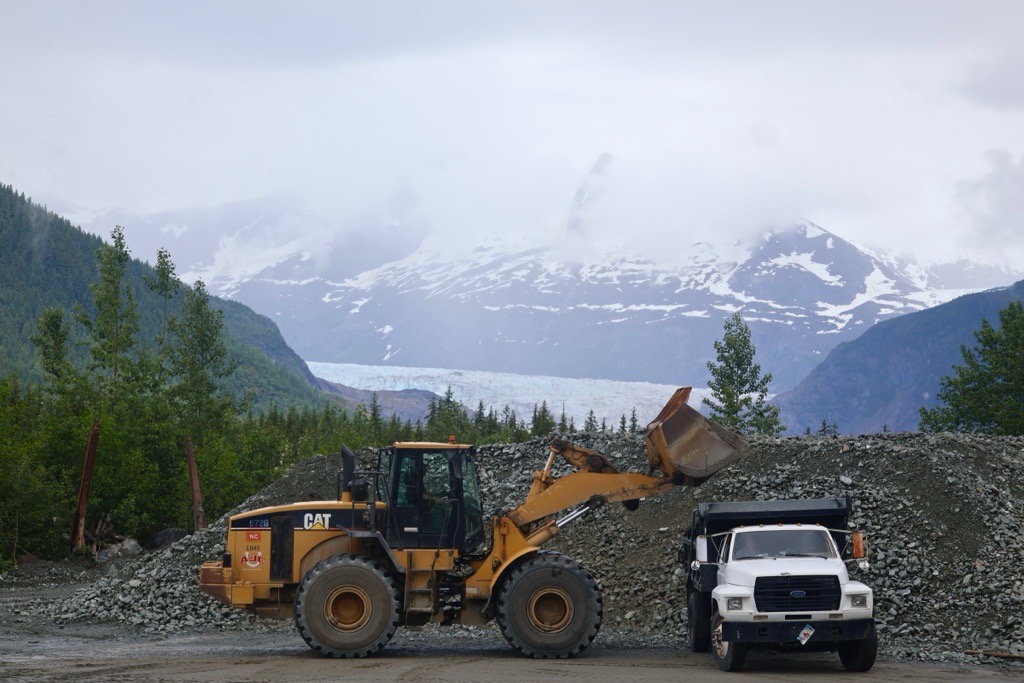
Working under contract with the U.S. Army Corps of Engineers, SSCS completed the Mendenhall Advance Measures Project ahead of schedule in July, installing 14,110 linear feet of HESCO flood barriers, placing 112,872 tons of rock armoring, constructing flood protection features and clearing hazardous debris along approximately four miles of river corridor.
The work followed major flood events in 2023 and 2024 that damaged homes, destroyed structures and accelerated erosion along vulnerable sections of the river.
“Completing this project before the peak flood season required extraordinary effort from our crews and partners,” said David McQueen, general manager of Sealaska’s construction division. “We mobilized quickly, worked in challenging conditions and delivered critical protections for communities in our home region.”
As work progressed, the project's scope expanded significantly.
Additional flood-control measures were identified, including a major berm designed to strengthen protection for vulnerable areas of the valley. SSCS expanded barrier systems, increased rock armoring and completed additional work without extending the project schedule.
“This was emergency work from day one,” said David Black, SSCS general superintendent. “As conditions changed, we expanded barriers, increased armoring and added major protection features that weren't part of the original concept. That's the nature of emergency work. You assess, adapt and keep moving.”
The added berm required crews to clear forested terrain, remove large boulders and transform the area into a flood-control structure within weeks, all while work continued across multiple active sites throughout the valley.
At peak production, crews placed more than 1,630 tons of material per day. In some areas, workers manually compacted the fill inside HESCO barriers, tamping and packing sand one section at a time to meet project specifications. The project mobilized a 60-person workforce of Sealaska employees and subcontractor personnel. Approximately 25% of the skilled workforce were Alaska Native employees, creating opportunities for local and Indigenous workers while helping protect Southeast Alaska communities.
“As a shareholder, former intern and past scholarship recipient, I understand how important these opportunities are,” said Heath Barger, SSCS senior project manager. “We're proud that Alaska Native workers helped lead work that directly protects Southeast Alaska communities.”
For many of the people working on the project, the mission was personal.
“I got into this work to help people,” said SSCS intern Addison Green. “Seeing how much area this project can affect and how many people it can help protect, it's really rewarding. I've seen the impacts when projects like this aren't in place in Southeast Alaska, so it's been powerful to see the immediate impact this work can have on homes and property.”
This year's flood provided the first real-world test of the emergency protections installed along the Mendenhall River. While federal, state and local partners continue to evaluate long-term solutions for recurring glacial outburst flooding, the measures completed this summer helped protect communities across the valley.
Latest News
Sealaska Corporation Exits Investment in European Seafood
Posted 9/30/2026
Sealaska Corporation’s subsidiary, Woocheen, has divested of its interests in European seafood with the sale of Sealaska Foods International Holdings Limited (“SFIHL”). The companies operating under the SFIHL umbrella include UK-based New England Seafood International Limited as well as companies in Norway and Iceland. In recent years, Woocheen has created significant value in its global…

Sealaska Board Opposes Ballot Measure 2, Endorses No on 2 Campaign
Posted 9/11/2026
Sealaska Board Announces Get Out the Native Vote Campaign and 2026 General Election Endorsements
Posted 8/28/2026
More Than a House: An Intern’s Connections and Reflections on Finding Community at Yéil Hít
Posted 8/24/2026
By Patricia Elie-Wolkoff, Communications & Corporate Secretary Intern Before traveling to Haines, I knew I would be covering the dedication of Yéil Hít, the Raven House. What I didn’t expect was how personally the experience would connect me to community. Growing up in Anchorage, I spent much of my time connected to my mother’s Alutiiq family from Kodiak. Although I always knew my father’s Haida…
Sealaska Endorsements
Posted 8/14/2026At Sealaska, we support leaders who recognize the importance of Indigenous self-determination, stewardship of our homelands and opportunities that strengthen Native communities for generations to come. After careful consideration, Sealaska is proud to endorse Jonathan Kreiss-Tomkins "JKT" for Governor of Alaska, Mary Peltola for the United States Senate and Bill Hill for Alaska's At-Large Congressional District.
.png)